
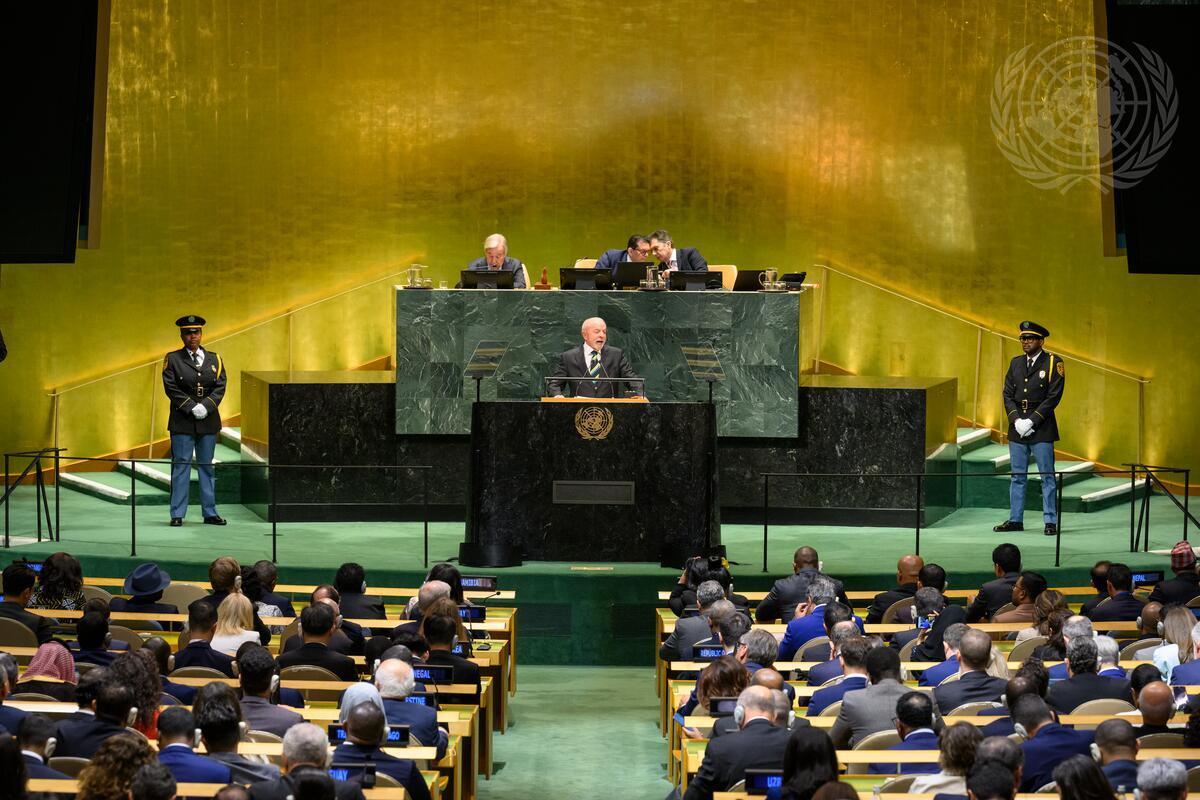
NEW YORK — Brazilian President Luiz Inácio Lula da Silva has again called out the international community over its handling of Haiti and Cuba, telling the UN General Assembly on Monday that the world continues to look away from Haiti’s crisis while the decades-old US embargo on Cuba amounts to “collective punishment” of millions of ordinary people.
Lula, addressing the Assembly for the tenth time since 2003, did not mince words. “In Cuba, the world watches in horror as collective punishment is imposed on 10 million people by an illegal economic and energy embargo,” he told delegates.
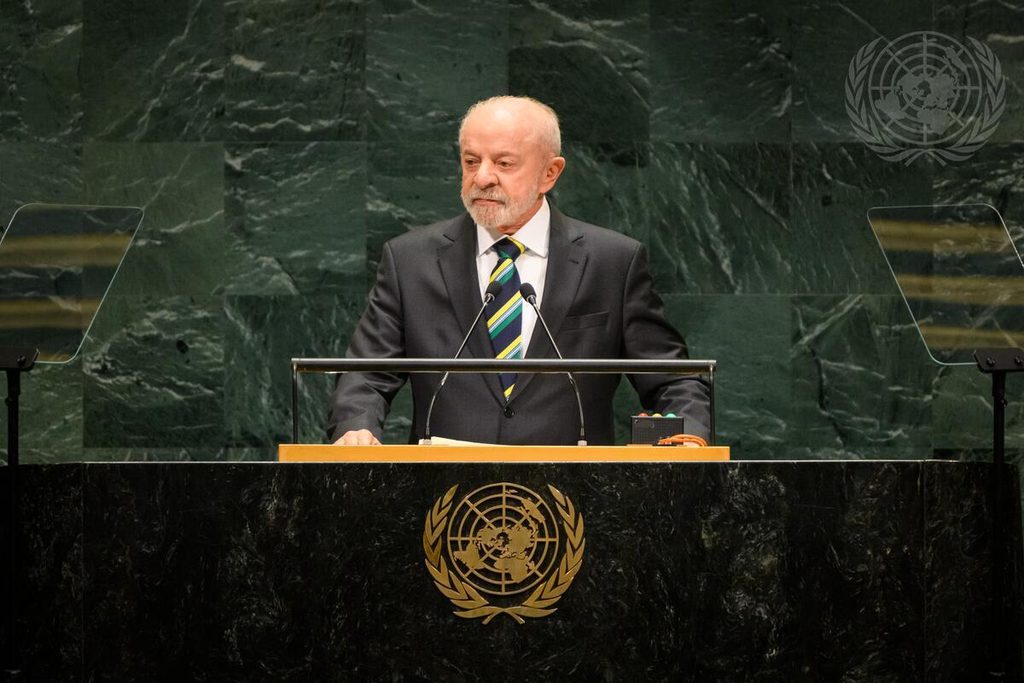
(PHOTO by UNiFEED)
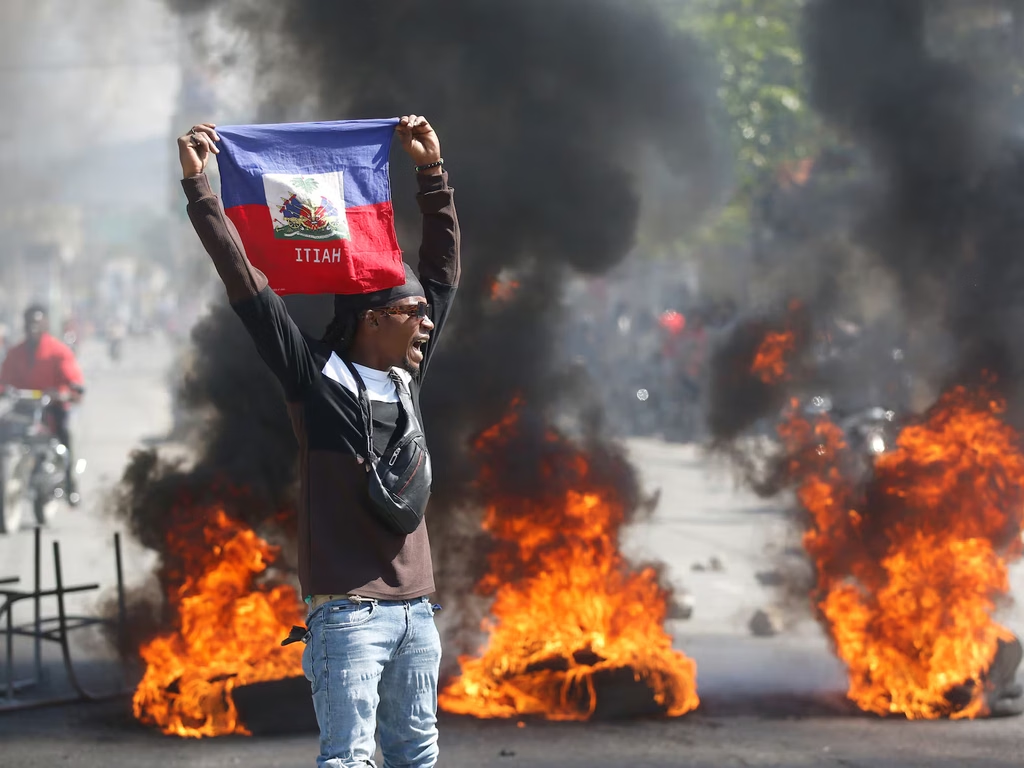
On Haiti, he was blunter still, saying the crisis “continues to test the limits of the international community’s indifference” — a line that will resonate strongly in the Caribbean, where CARICOM has spent years pushing for a more serious international response to the gang violence and political collapse gripping the country.
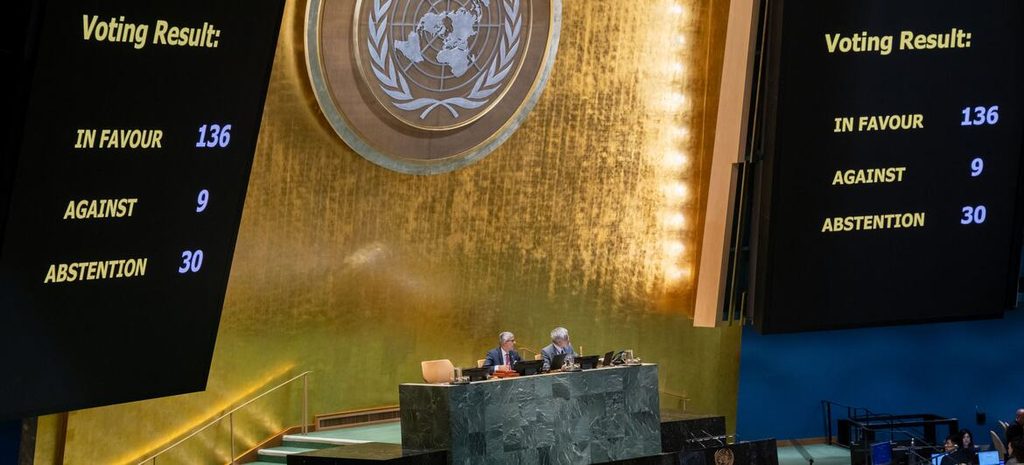
Guyana, which served a two-year term on the UN Security Council through 2025, was among the regional voices pressing for stronger, more sustained action on Haiti during its tenure. CARICOM has stood firm for decades in calling for an end to the Cuban embargo — all 14 member states voted in favour of the annual UN resolution demanding it be lifted when it last came before the General Assembly in October 2025, the 33rd consecutive year the measure has passed.
Lula’s comments came as part of a wider swipe at what he called renewed “hegemonic temptations” in Latin America and the Caribbean. “Brazil does not fit in anyone’s backyard,” he told world leaders, adding that the region’s proximity to “the world’s greatest military power is inescapable.” He also took aim at foreign interference in regional elections and what he termed “neocolonial incursions for strategic resources,” and separately defended Venezuela’s right to determine its own political future.
The Brazilian leader linked both the Haiti and Cuba issues back to his central complaint about the UN itself — that the Security Council veto held by its permanent members has left the body toothless on the crises that matter most to smaller states. “The feeling that drives me today is one of indignation,” Lula said, describing the UN’s credibility as being at its lowest point in its history.
For CARICOM, which has long argued both cases on the floor of the UN with little movement to show for it, Lula’s remarks add the weight of Latin America’s biggest economy to positions the region has held for years.
Lula wrapped up his address — delivered days before Brazilians head to the polls on October 4 — with a call for the UN to “rediscover the political will” to live up to its founding purpose.