
by Mark Murray
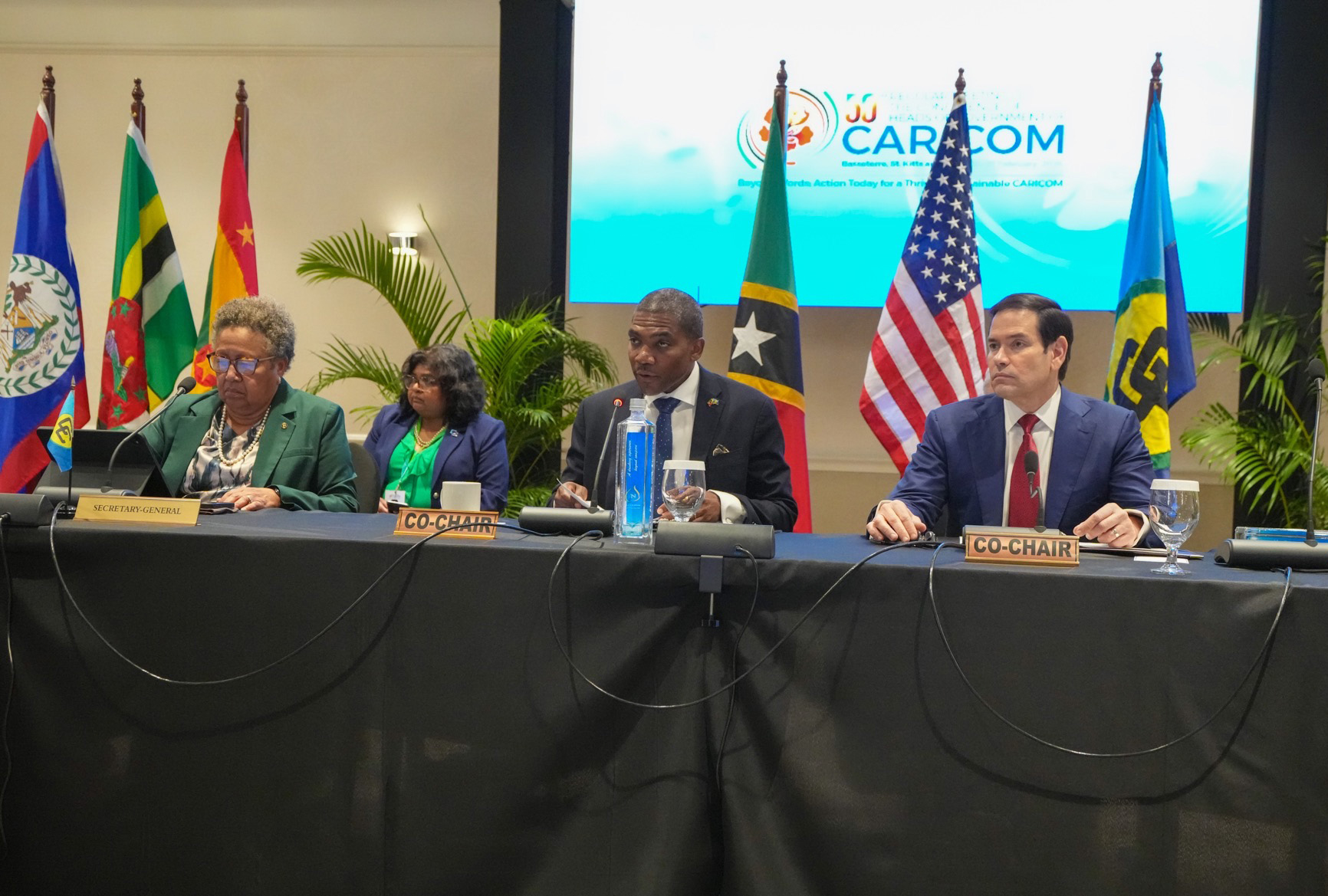
On Monday, April 20, 2026, the U.S. Department of State convened a strategic roundtable with U.S. maritime industry leaders and Caribbean port authorities, underscoring Washington’s commitment to advancing commercial diplomacy and safeguarding critical infrastructure across the Caribbean.
The roundtable highlighted the United States’ focus on deepening economic ties with Caribbean partners. Discussions centered on expanding U.S. private sector investment, identifying opportunities to modernize port infrastructure, and enhancing trade and tourism across the region. Participants emphasized the importance of ethical and transparent business practices as the foundation for sustainable growth.
During the event, the State Department announced plans to provide U.S. $10 million in programming through the Caribbean Basin Security Initiative. This funding will support resilient port infrastructure projects, improve regional security, and create opportunities for long-term economic development.
Officials stressed that the initiative is designed to foster stronger collaboration between U.S. businesses and Caribbean stakeholders. By aligning investment with local community needs, the effort aims to generate lasting benefits for commerce, tourism, and employment opportunities.
The United States reaffirmed its commitment to continued cooperation with Caribbean partners. Resilient, transparent, and modern port infrastructure is seen as vital to strengthening economic ties and safeguarding prosperity across the region.
The Caribbean Basin Security Initiative is a U.S. program focused on enhancing security and resilience in the Caribbean through infrastructure development, capacity building, and economic collaboration.
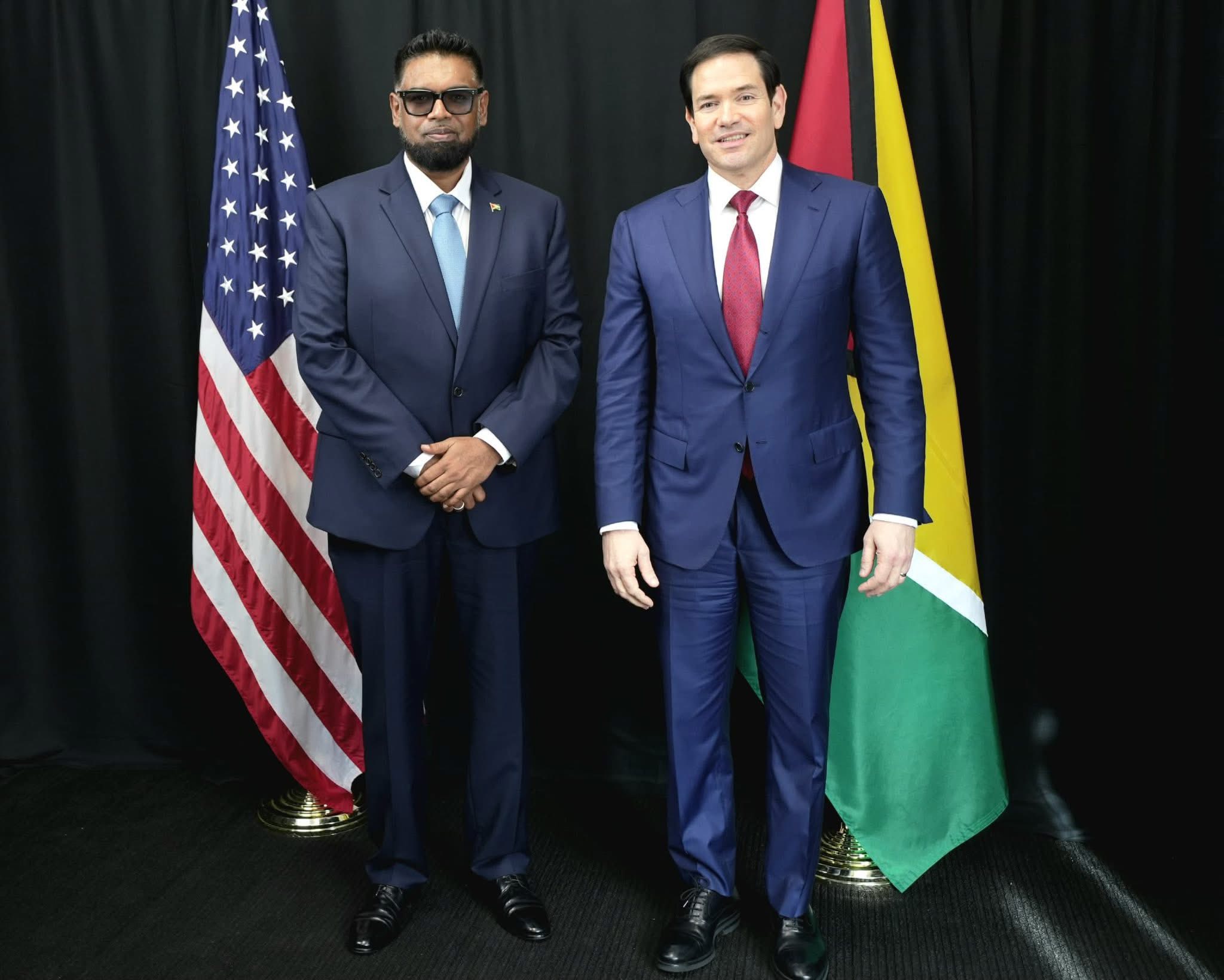
Guyana benefits directly from several of the CBSI programs described above, including:
- Provision of three patrol boats with the required equipment and training to enable the Guyana Defence Force to combat transnational organized crime, patrol territorial waters, and ensure freedom of movement for commerce;
- Training and equipment to increase the capabilities and effectiveness of police and customs units at ports of entry;
- Providing equipment and training to police to establish a bike-patrol unit and support community-policing initiatives.
- A community-based program approach that engages youth, family networks, community service providers and government agencies to reduce crime and violence and increase opportunities for youth;
- Supporting juvenile justice reform that focuses on rehabilitation for juvenile offenders and reintegration of youth leaving detention facilities;
- Improving crime and violence policy-making and programming through the use of quality, comparable, and reliable national citizen security information;
- Partnerships with local organizations to provide rehabilitation for juvenile offenders, offer alternative sentencing options for youth who committed minor offenses, and support reintegration of youth leaving detention facilities;
- Workforce development and educational support for at-risk youth;
- Strengthening capability of law enforcement officials to respond to and investigate cases of gender-based violence to include sexual offenses, crimes against children, and trafficking in persons;
- Increasing effective criminal investigations that lead to strong prosecutions and trials by enhancing the technical capacity of the police, prosecutors, and magistrates to work with criminal evidence in a supportive environment.
- Mentoring, training and advising on maritime maintenance from the Technical Assistance Field Team to improve the operational readiness of their patrol boat fleet, to include equipment and software to ensure maintenance issues are being tracked.
- Improved maritime domain awareness through the participation in the Cooperative Situational Information Integration Initiative that provides regional air and maritime tracks for operations.
- Ongoing training and equipment for the maritime service to ensure U.S. provided vessels are maintained.