
by Mark Murray
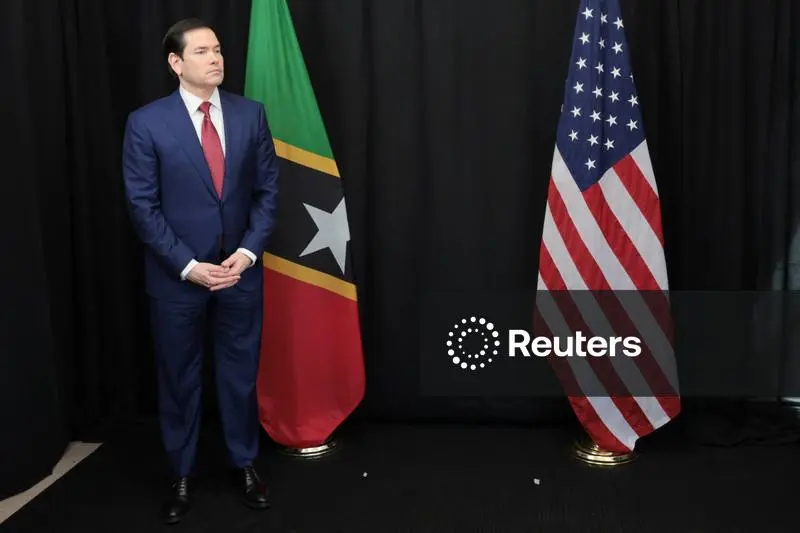
Basseterre, St. Kitts and Nevis — In a rare appearance before Caribbean Community (CARICOM) heads of government, U.S. Secretary of State Marco Rubio on Wednesday pledged a “new dynamic” in Washington’s engagement with the region, signalling what he described as a break from years of neglect and “outdated orthodoxy” in U.S.–Caribbean relations.
Rubio, speaking at the 50th Regular Meeting of CARICOM Heads of Government, emphasised that the United States now sees Caribbean security, prosperity, and stability as “intricately tied” to its own. His remarks come at a moment when Caribbean leaders have been increasingly vocal about the need for deeper cooperation on crime, climate resilience, and energy security.
The top U.S. government official recognised that transnational criminal networks are the region’s most urgent shared threat, noting that many of the weapons and financial flows fuelling Caribbean violence can be linked in the United States.
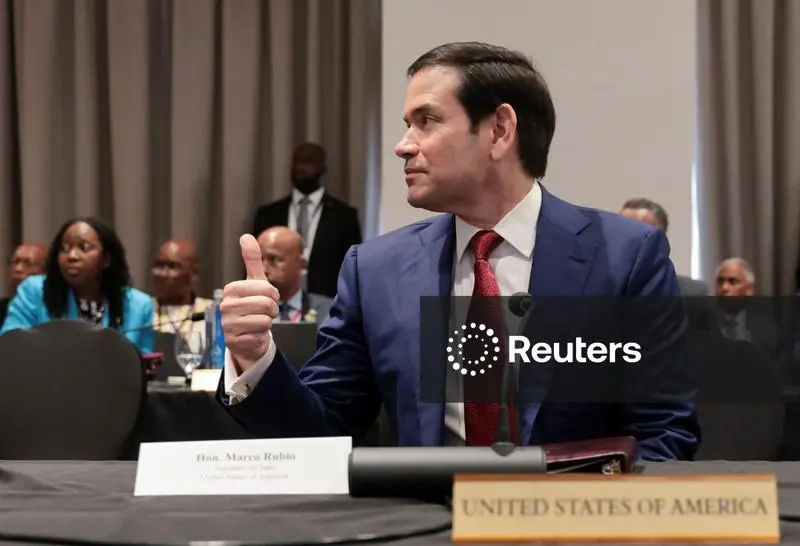
“We recognise that many of these groups are buying weaponry from the United States,” he said, adding that Washington is “committed” to shutting down illegal gun pipelines. Over the years, certain Caribbean governments have openly discussed the issue of firearms coming from the United States, which has also played a role in the high homicide rates in the region.
Rubio also pointed to the militarisation of drug cartels in Mexico as a warning sign for what could unfold in the wider hemisphere if criminal networks continue to expand unchecked.
Energy and Economic Opportunity: A Regional Priority
With Guyana, Suriname, and Trinidad and Tobago emerging as major energy players, Rubio said the U.S. wants to be a partner in helping Caribbean states “explore responsibly, safely, and in a way that generates wealth.”
For Guyana—now the fastest-growing economy in the world—Rubio’s remarks signal continued U.S. interest in the country’s energy trajectory and the geopolitical implications of its oil boom. For smaller island states grappling with high electricity costs, the message hinted at potential U.S. support for energy diversification and investment.
Rubio also encouraged American private-sector involvement in Caribbean economies, saying the region should be seen as an attractive destination for inbound investment.
A New U.S. Line on Venezuela
In one of the speech’s most striking sections, Rubio defended the Trump administration’s recent actions in Venezuela, declaring that the country is “better off today than it was eight weeks ago” following the capture of Nicolás Maduro and the installation of interim authorities.
He praised interim leader Delcy Rodríguez for releasing political prisoners, closing the notorious Helicoide prison, and restoring some oil revenue to public services.
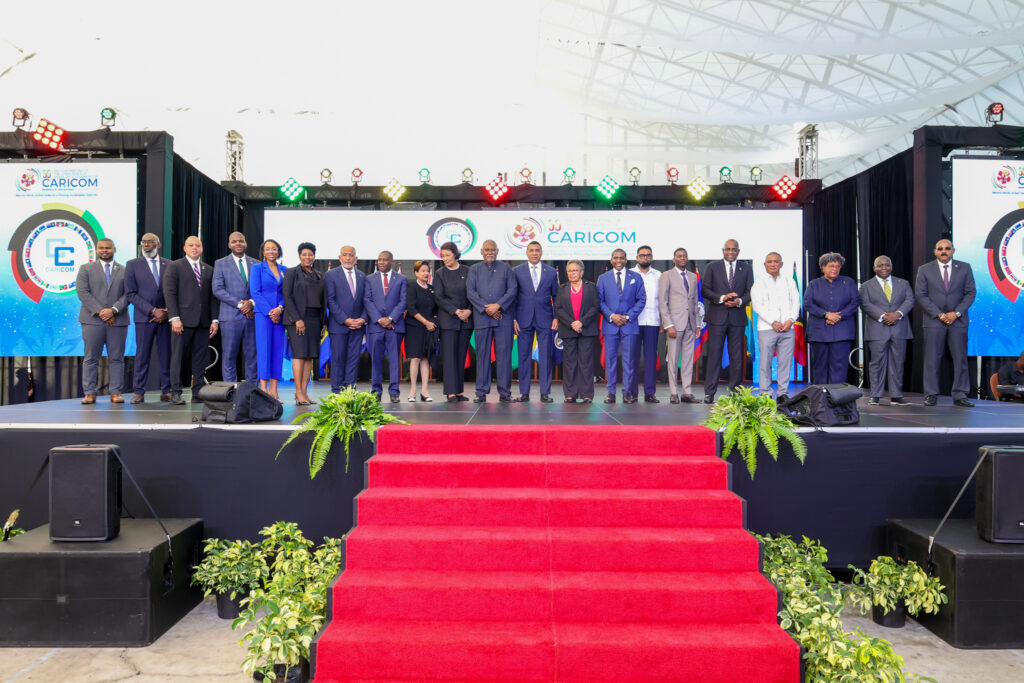
CARICOM leaders have consistently held the view that a stable Venezuela decreases migration pressures, energy volatility, and geopolitical tensions in the hemisphere.
Rubio acknowledged that Venezuela still needs “fair, democratic elections” to achieve full legitimacy, but framed the current moment as a transition from “stability” to “recovery.”
Meanwhile, Rubio insisted the U.S. is not seeking a “reset,” but rather a reinvigoration of longstanding ties. His presence—the first by a U.S. secretary of state at a CARICOM summit in a decade—was meant to symbolise renewed commitment.
“The stronger, safer, more prosperous your countries are, the stronger, safer, and more prosperous the United States is going to be,” he said. For some Caribbean leaders, the message was welcomed as the U.S. seeks to build a stronger relationship with each member state.
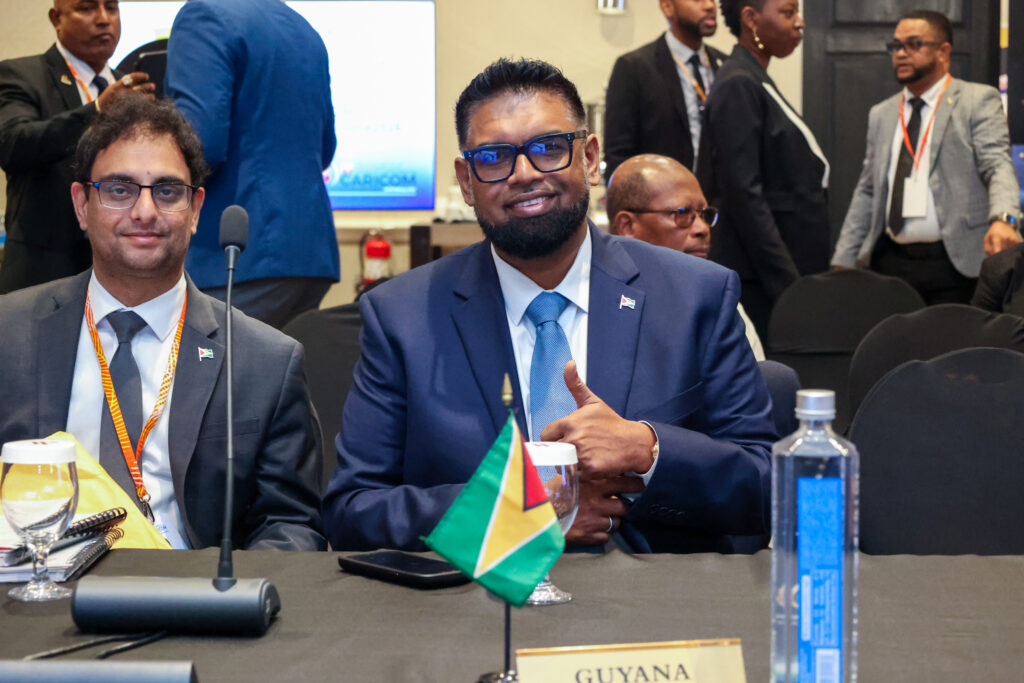
Guyana has consistently supported a constructive U.S. presence in the Caribbean, viewing it as an important factor in deterring aggression, strengthening regional security, and upholding the rule of law. This cooperation aligns with Guyana’s broader foreign policy approach, which prioritises peaceful resolution of disputes, respect for sovereignty, and the preservation of stability across the hemisphere.