
by Mark Murray
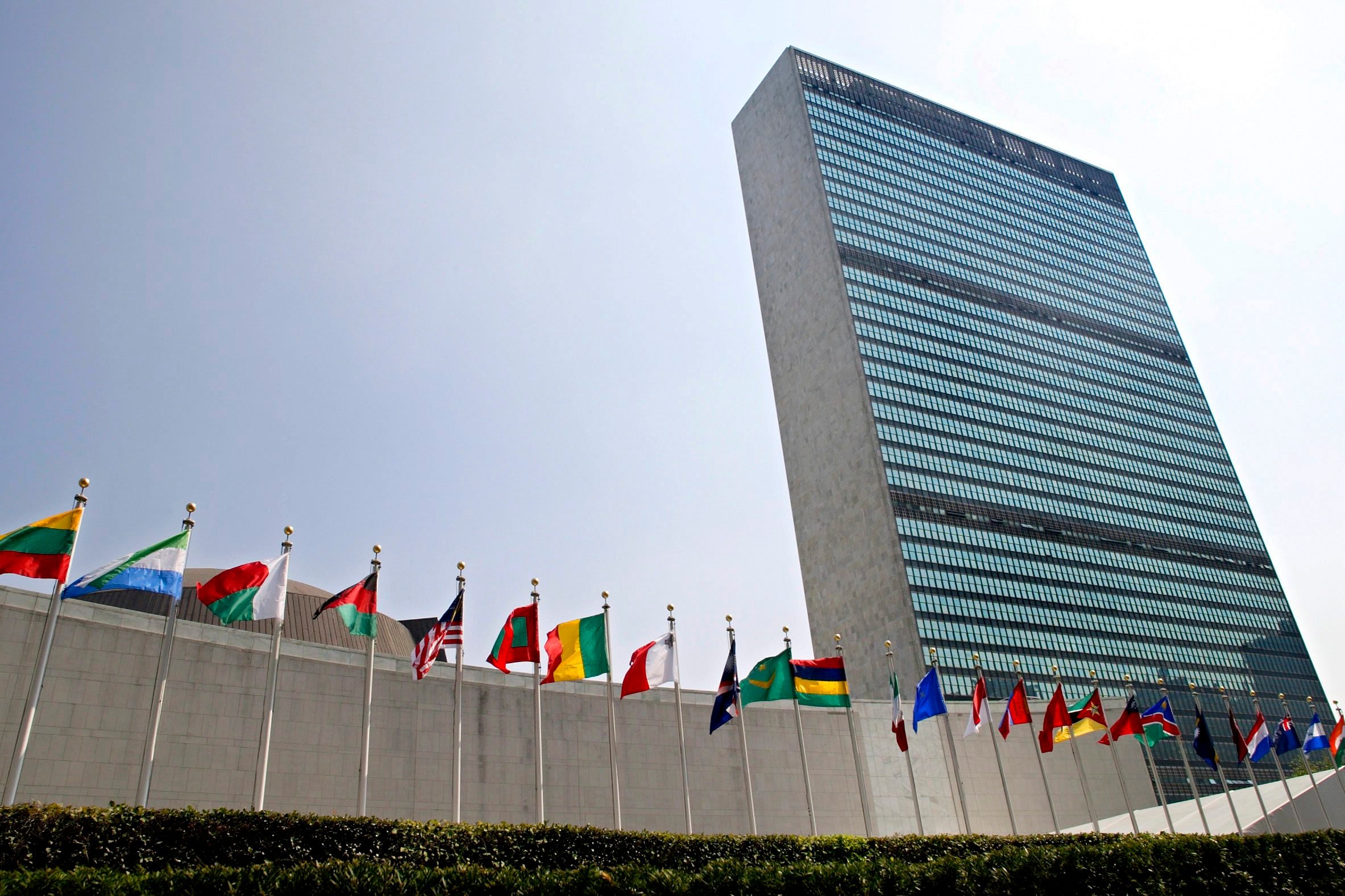
New York – The United Nations Security Council convened an emergency session in New York following the dramatic capture of Venezuelan President Nicolás Maduro and his wife by United States forces in Caracas. The unprecedented U.S. action has triggered a wave of reactions across Latin America and the international community, drawing both sharp criticism and measured support from world leaders.
The Ambassadors at the session were reminded in a statement from UN Secretary-General António Guterres, which underscored the importance of upholding national sovereignty, political independence and territorial integrity. His remarks reiterated his warning, issued on Saturday, that the United States’ intervention risked setting a “dangerous precedent” for the global order.
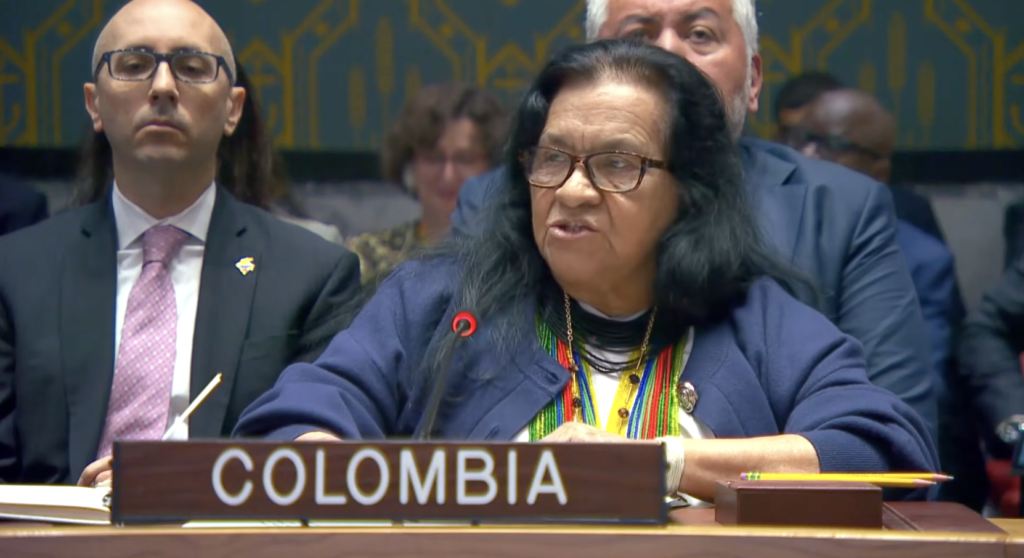
At the emergency UN Security Council session, Colombia’s ambassador Leonor Zalabata Torres took a firm stance, declaring: “Democracy can’t be defended through violence or coercion. There’s never a justification for unilateral force or aggression. [This is] the worst interference in our area in the past.”
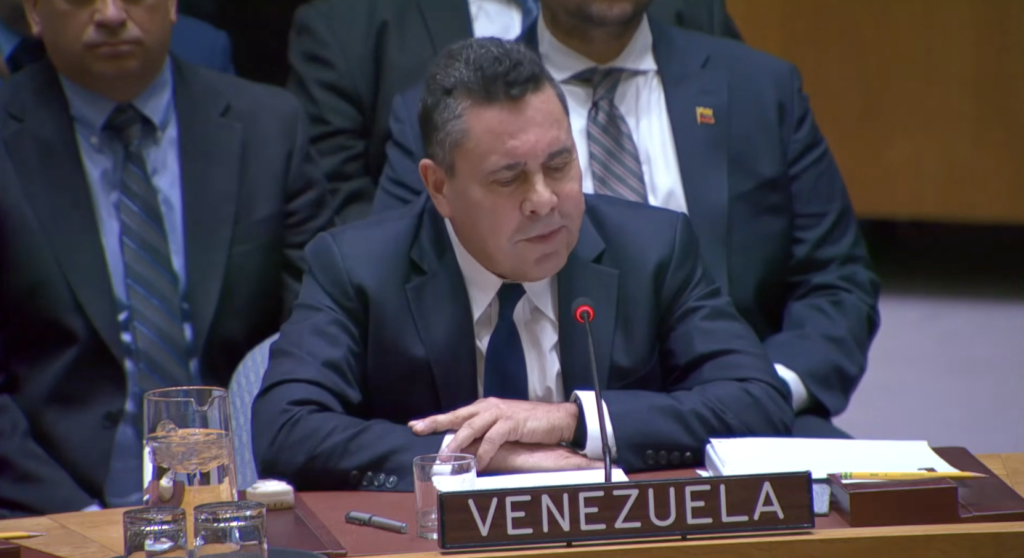
Venezuelan Ambassador Samuel Moncada voiced his condemnation: “No state can position itself as judge, party, and executor of the world order. Venezuela is subject to this attack due to its natural resources.”
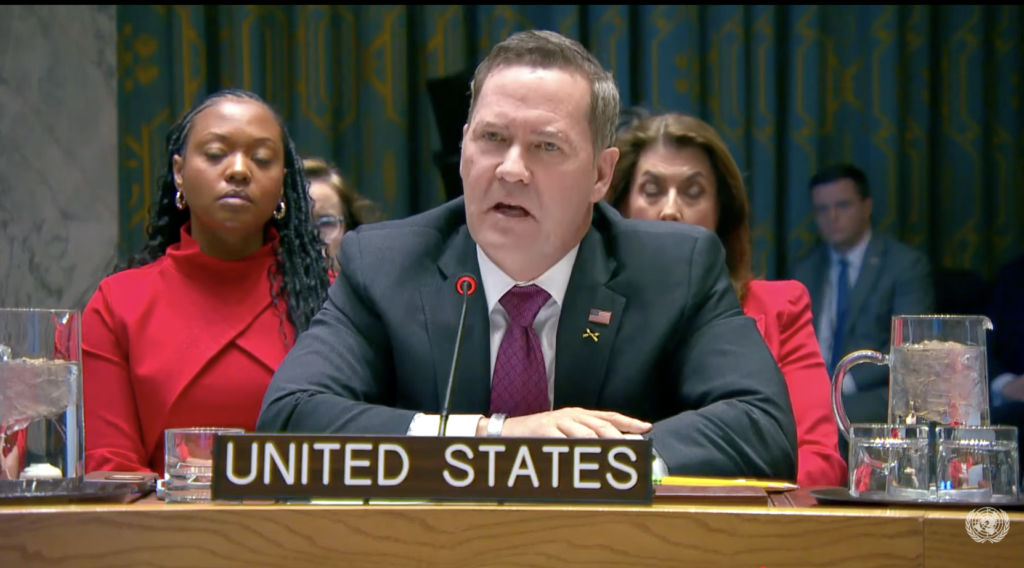
U.S. Ambassador Mike Waltz responded to criticism by asking, “If the UN grants legitimacy to a narco-terrorist over a democratically elected leader, what kind of organisation is this?”
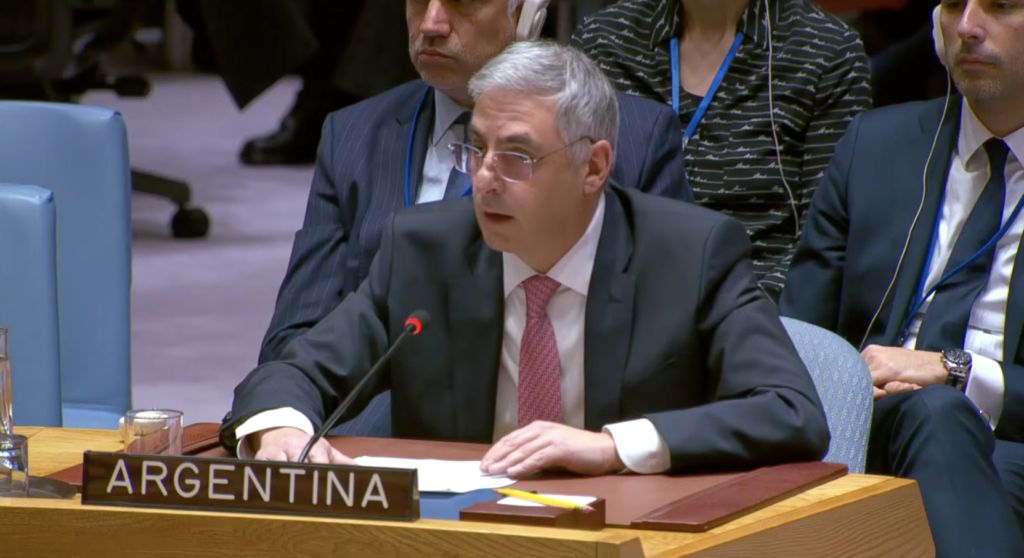
Ambassador Francisco Tropepi, Argentina’s Permanent Representative, stated: “The government of the Argentine Republic values the decision and determination demonstrated by the President of the United States of America and by his government in the recent actions taken in Venezuela that resulted in the capture of the dictator Nicolas Maduro, leader of the cartel of the sons, declared a terrorist organisation by Argentina in 2025. The illegitimate regime of Nicolas Maduro is not only constituted a direct threat to Venezuelan citizens through the systematic violation of human rights, the appropriation of the country’s resources and the destruction of democratic institutions, but also to the entire region by leading and exporting its networks of drug trafficking and organised crime.”
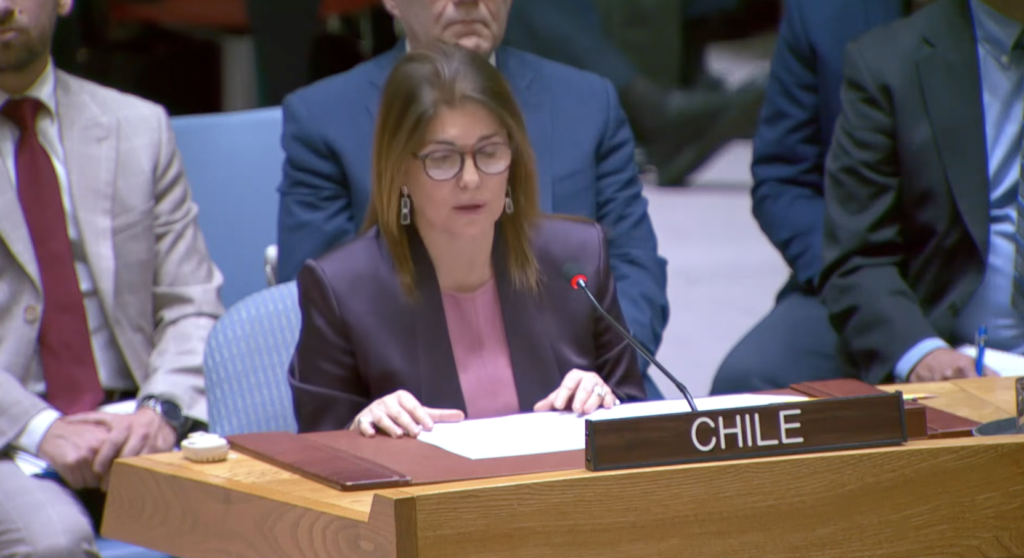
Ambassador Paula Narváez of Chile added: “We express our concern with regard to any attempt to control government, administration or foreign ownership of strategic assets. This would be against international law and would threaten the political, economic and social stability of the region. And we are also convinced that Latin America and the Caribbean must continue to be a zone of peace, because that zone of peace not only serves Latin America and the Caribbean, but the entire world.”
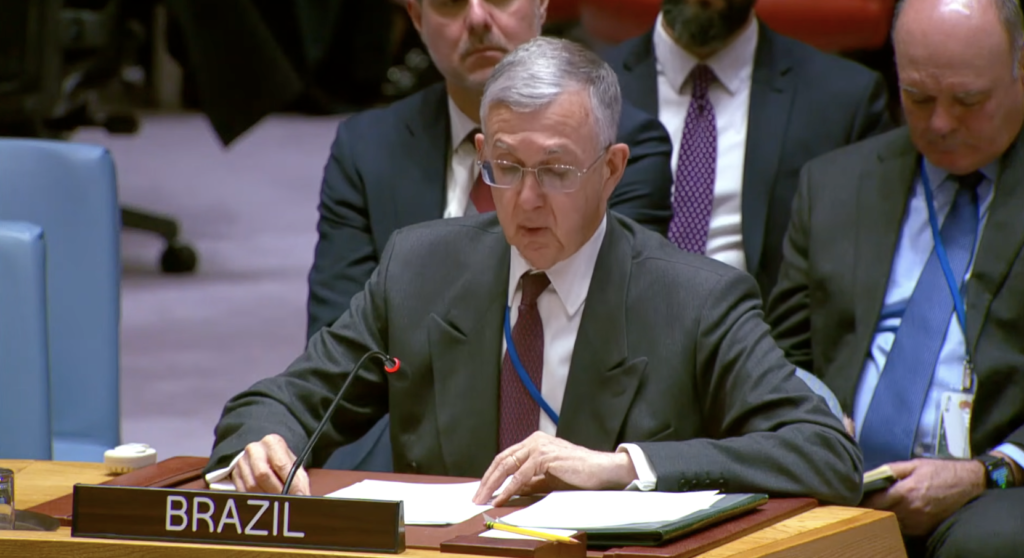
Brazil’s ambassador Sergio Franca Danese declared, “Brazil categorically and firmly rejects the armed intervention in Venezuelan territory in flagrant violation of the Charter of the United Nations and of international law. The bombings on Venezuelan territory and the capture of its president crossed an unacceptable line. South America is a zone of peace. I insist upon that.”
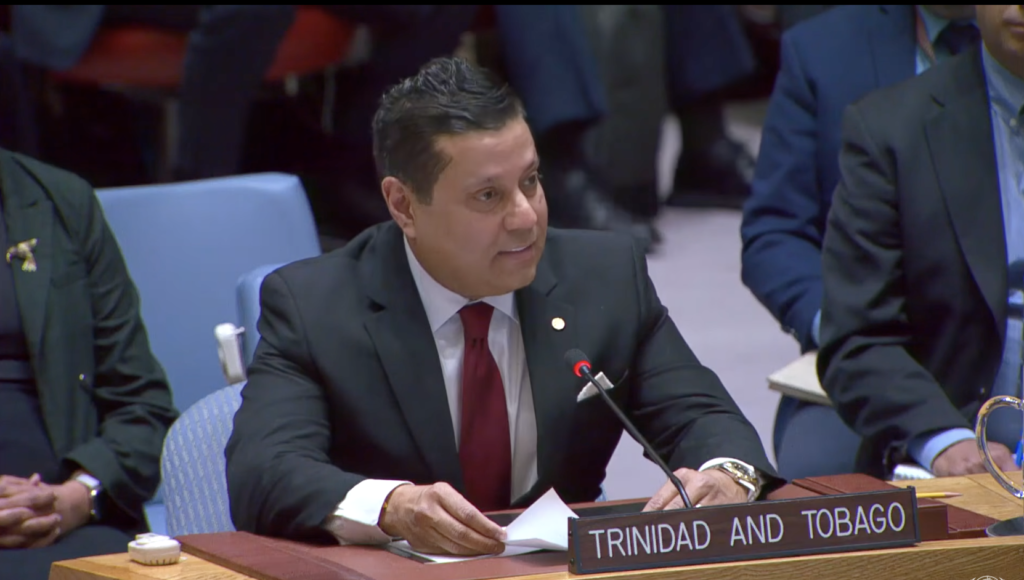
Trinidad and Tobago’s Dr. Neil Parson offered a balanced view: “The government of Trinidad and Tobago, while valuing its longstanding and robust partnership with the United States, remains equally committed to maintaining a constructive and respectful relationship with the Bolivarian Republic of Venezuela.”
The Trinidad and Tobago UN Representative added, “The Caribbean nation remains steadfast in its support for the United States of America’s initiatives to strengthen regional security, reinforce the rule of law, and safeguard the well-being of its societies.”
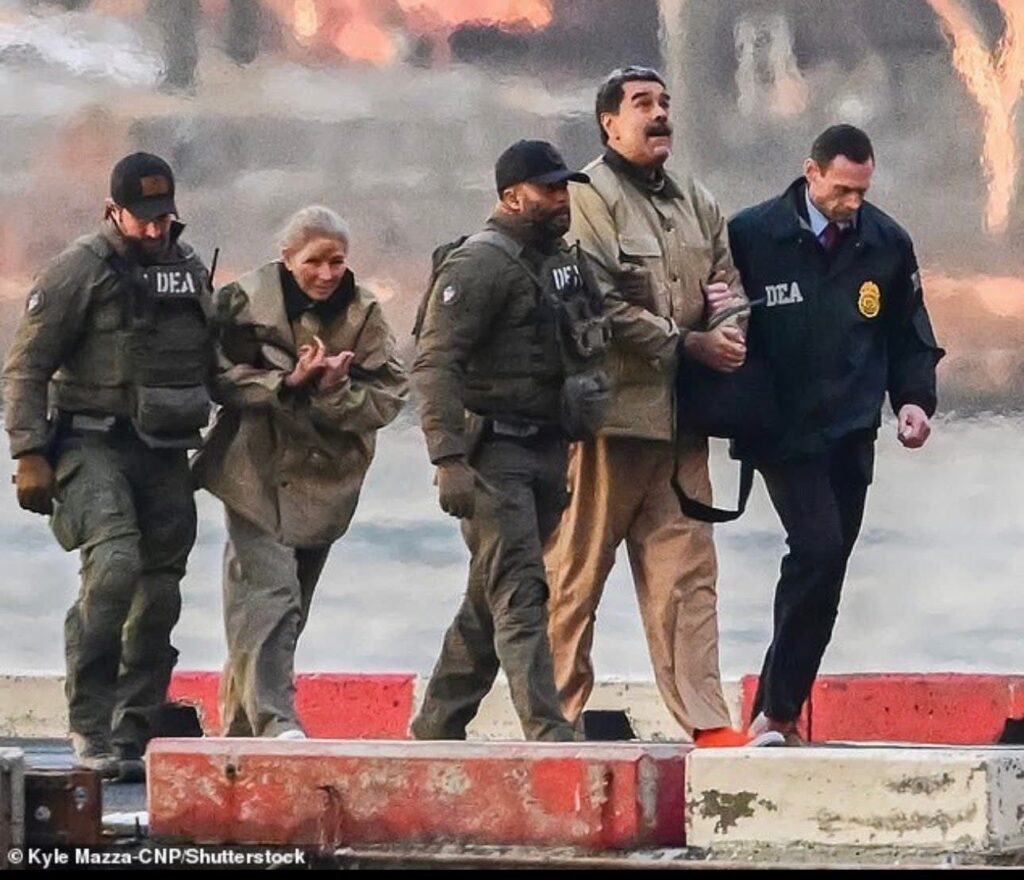
In the U.S. court, Nicolás Maduro himself proclaimed, “I am innocent. I am not guilty of anything that is mentioned here.” His wife, Cilia Flores, echoed: “Not guilty. Completely innocent.”